The paintings on this site
Our name is inspired by the Medici, the Florentine family whose patronage during the Renaissance helped bring about some of the most enduring art and culture the world has known. We see the same role in today's funders. Private equity, growth equity and venture capital create the conditions that allow businesses to grow, including many that might otherwise never have existed.
Every image on our site is drawn from a historical painting. This page credits each one: who painted it, when and where, and the patronage that brought it into being.
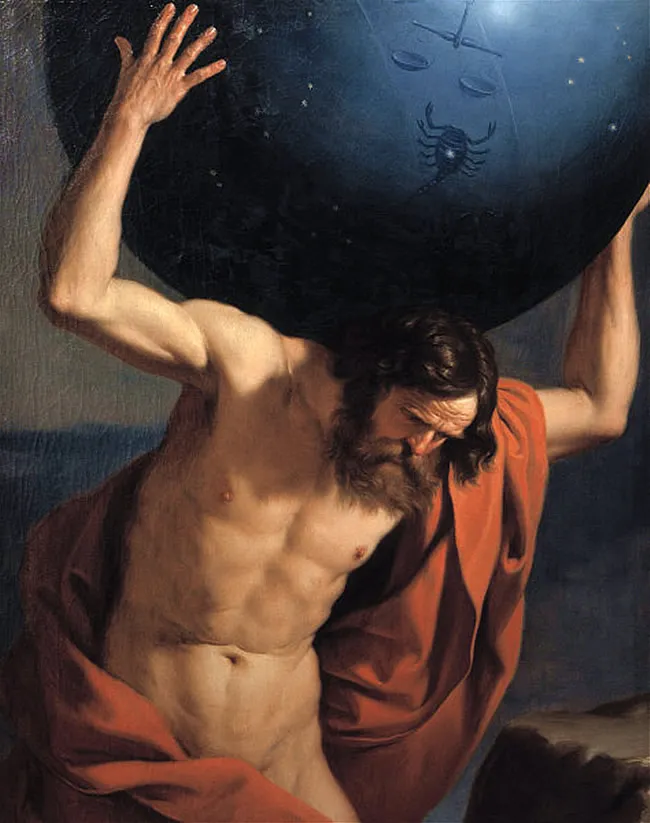
Atlas Holding Up the Celestial Globe
Guercino, 1646
The Titan Atlas bears the heavens upon his shoulders: strength, endurance and a burden carried on behalf of others.
- Origin
- Bologna · Italian Baroque
- Medium
- Oil on canvas
- Collection
- Museo Stefano Bardini, Florence
- Patron
- Lorenzo de' Medici. Painted for Don Lorenzo de' Medici, son of Grand Duke Ferdinando I.
- Shown on
- Building one AI roadmap for a growth-equity-backed group of three companies in three countries
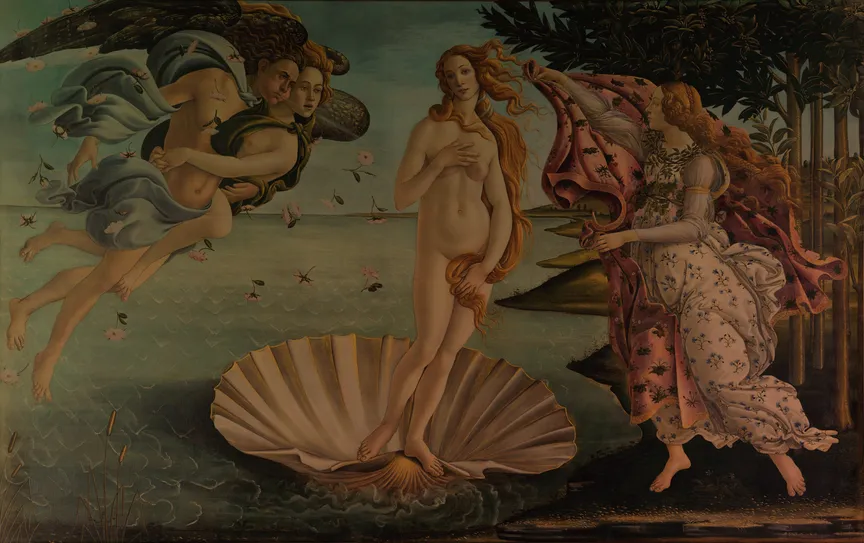
The Birth of Venus
Sandro Botticelli, c. 1484–86
Venus arrives on the shore, newly born from the sea: the rebirth of classical ideals that marked the Renaissance as a time of great change.
- Origin
- Florence · Italian Renaissance
- Medium
- Tempera on canvas
- Collection
- Gallerie degli Uffizi, Florence
- Patron
- Likely Lorenzo di Pierfrancesco de' Medici. Traditionally thought to have been painted for Lorenzo di Pierfrancesco de' Medici, a cousin of Lorenzo the Magnificent. It is first recorded at the Medici villa at Castello, where Vasari saw it in 1550.
- Shown on
- About
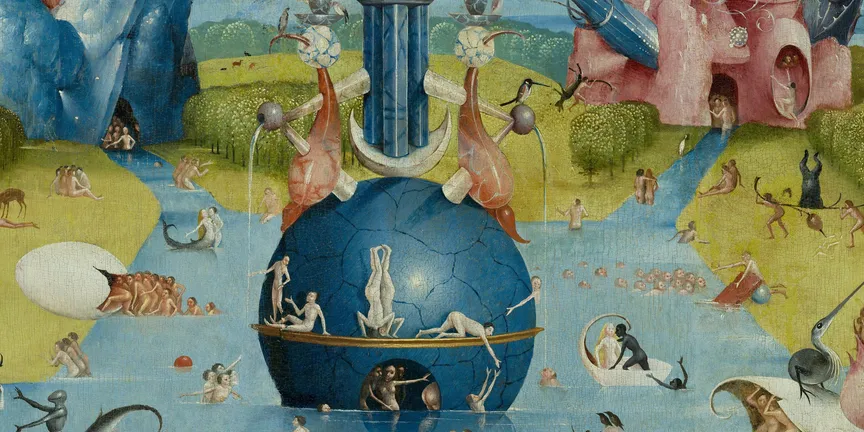
The Garden of Earthly Delights
Hieronymus Bosch, c. 1490–1510
Paradise, a world given over to earthly pleasure, and hell, side by side; the central panel presents the whole of humanity at the scale of an entire world.
- Origin
- 's-Hertogenbosch, Duchy of Brabant · Early Netherlandish
- Medium
- Oil on oak panel (triptych)
- Collection
- Museo del Prado, Madrid
- Patron
- Likely the Counts of Nassau. First recorded in 1517 in the Nassau Palace, Brussels. It was likely commissioned by Engelbert II of Nassau or his successor, Henry III of Nassau-Breda, although no record of the commission survives.
- Shown on
- The AI gap in private equity is a size gap
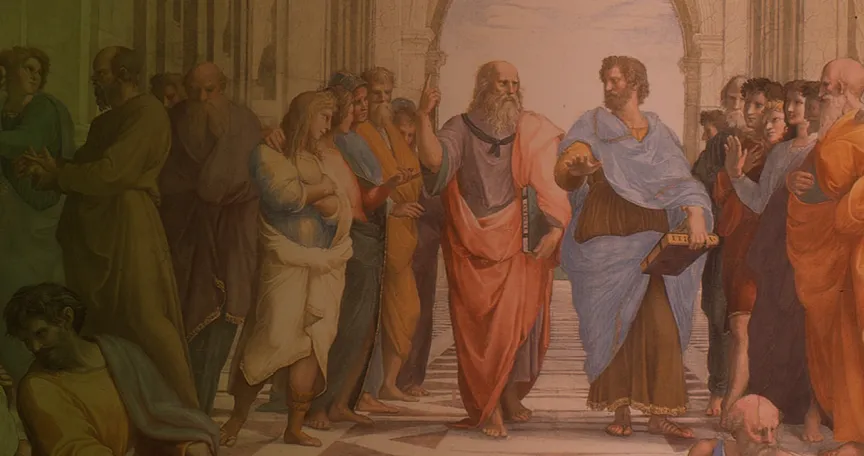
The School of Athens
Raphael, 1509–1511
Plato, Aristotle and the philosophers of antiquity gathered in a single hall: a celebration of reason and learning.
- Origin
- Rome · Italian High Renaissance
- Medium
- Fresco
- Collection
- Stanza della Segnatura, Vatican Museums
- Patron
- Pope Julius II. Julius II commissioned the decoration of the Stanza della Segnatura, intended as his private library.
- Shown on
- For portfolio company CEOs, Helping an 8-figure edtech business prepare for a PE buyer
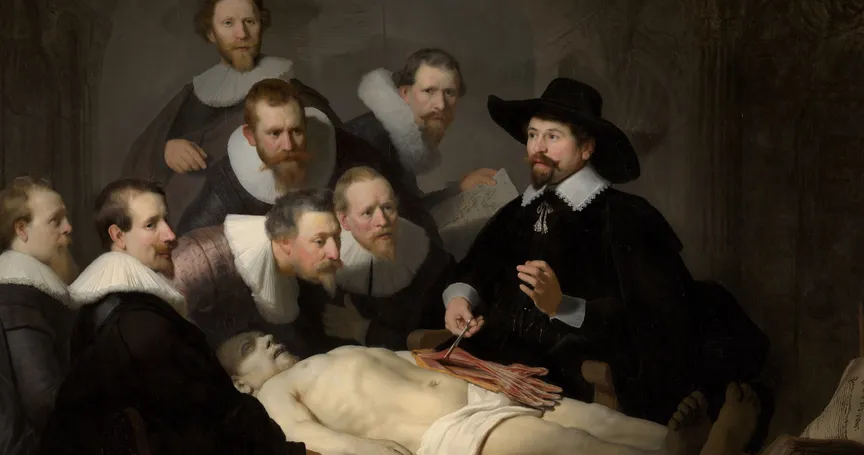
The Anatomy Lesson of Dr Nicolaes Tulp
Rembrandt van Rijn, 1632
A surgeon demonstrates the anatomy of the arm to his guild: knowledge earned through close examination of the evidence.
- Origin
- Amsterdam · Dutch Golden Age
- Medium
- Oil on canvas
- Collection
- Mauritshuis, The Hague
- Patron
- The Amsterdam Surgeons' Guild. Painted for the guild's chamber following Dr Tulp's public anatomy lesson in January 1632; each surgeon portrayed paid to be included. It was Rembrandt's first major group commission, received at the age of 25.
- Shown on
- Helping a PE-backed medical-education software company spread AI adoption across its teams
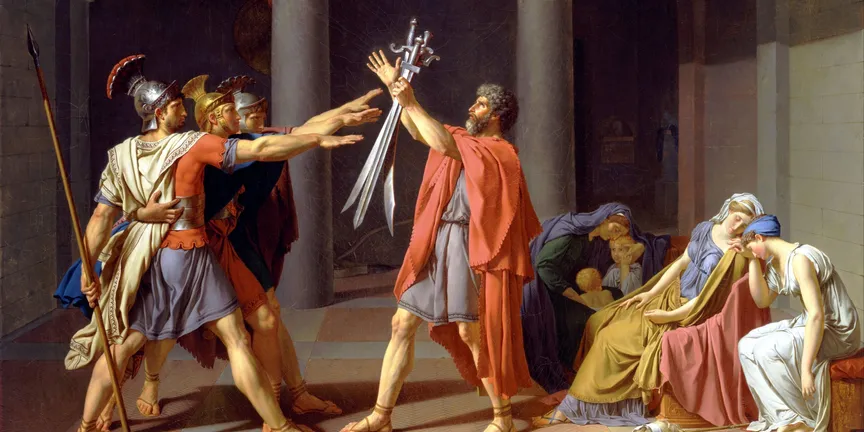
Oath of the Horatii
Jacques-Louis David, 1784–85
Three brothers swear an oath to their father to fight for Rome: duty and commitment placed above all else.
- Origin
- Rome · French Neoclassicism
- Medium
- Oil on canvas
- Collection
- Musée du Louvre, Paris
- Patron
- Louis XVI. A royal commission, placed in 1782 through the Comte d'Angiviller, Director of the King's Buildings. David painted the work in Rome and exhibited it at the Paris Salon of 1785.
- Shown on
- Who leads AI at private equity firms?
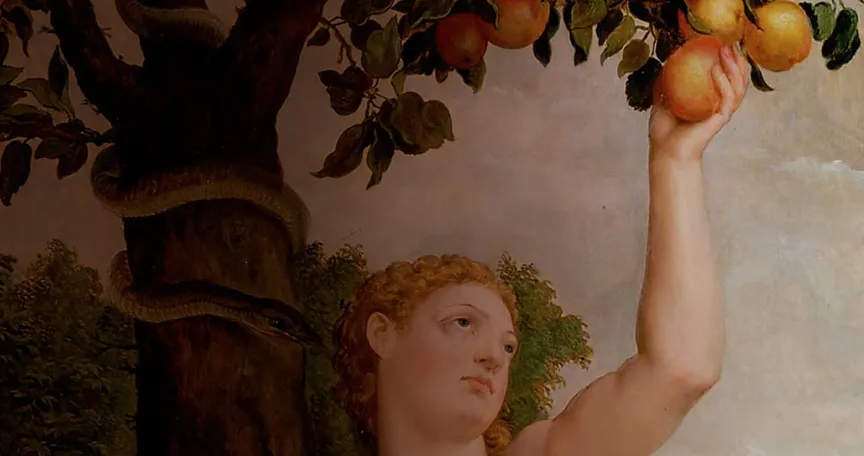
The Fall of Man
Michiel Coxcie, c. 1550
Eve reaches for the forbidden fruit: the moment of choosing knowledge, whatever its cost.
- Origin
- Southern Netherlands (likely Mechelen) · Flemish Renaissance
- Medium
- Oil on oak panel
- Collection
- Kunsthistorisches Museum, Vienna
- Patron
- Not recorded. A wing of a triptych whose central panel is lost; its companion wing is The Expulsion from Paradise. Its earliest recorded owner, Archduke Leopold Wilhelm, acquired it later.
- Shown on
- Home
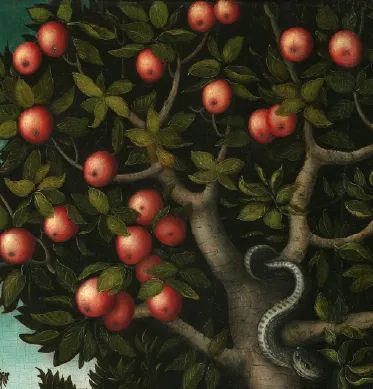
Adam and Eve
Lucas Cranach the Elder, 1526
Eve offers Adam the apple as he hesitates: temptation, and a decision made together.
- Origin
- Wittenberg, Saxony · German Renaissance
- Medium
- Oil on panel
- Collection
- The Courtauld, London
- Patron
- Not recorded. Cranach's Wittenberg workshop painted the subject more than fifty times, many likely for the open market rather than on commission. The panel is signed with the artist's winged-serpent mark and dated on the tree trunk.
- Shown on
- Home, Portfolio AI Assessments, For private equity and growth equity firms, AI Value Creation Action Plans, For portfolio company CEOs
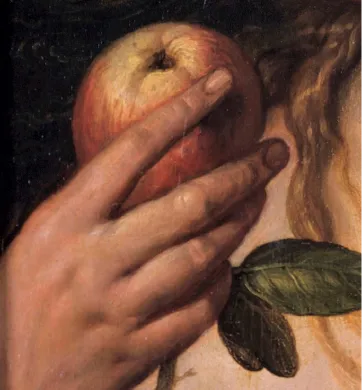
Eve
Hendrick Goltzius, 1613
Eve holds the apple she has picked, poised between curiosity and its consequences.
- Origin
- Haarlem, Dutch Republic · Dutch late Mannerism
- Medium
- Oil on oak panel
- Collection
- Musée des Beaux-Arts, Strasbourg
- Patron
- Not recorded. The companion to Goltzius's Adam (Wadsworth Atheneum, Hartford). A mark on the reverse of both panels may identify an early owner, but it has not been traced.
- Shown on
- Home, AI Enablement & Custom Development, For portfolio company CEOs, For private equity and growth equity firms. Behind the closing section and footer of every page
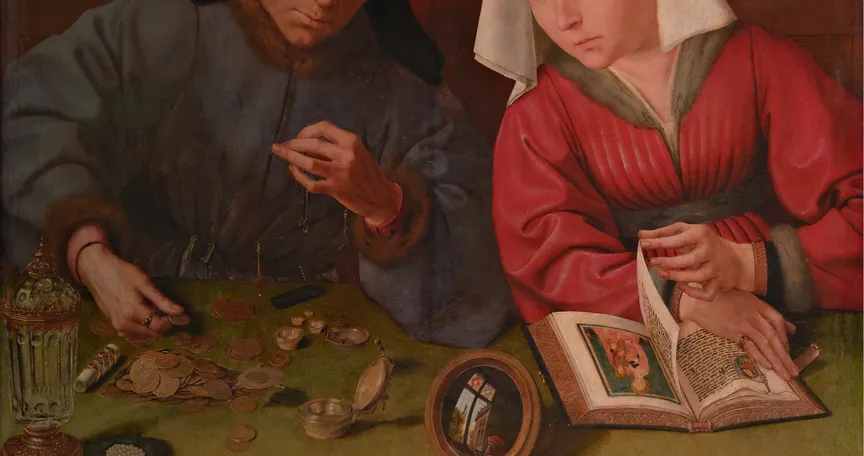
The Moneylender and His Wife
Quentin Matsys, 1514
A moneylender weighs coins as his wife looks up from her book of devotions: wealth set against virtue.
- Origin
- Antwerp · Early Netherlandish
- Medium
- Oil on oak panel
- Collection
- Musée du Louvre, Paris
- Patron
- Not recorded. No commission is documented. The work is often read as a moralising scene and was likely painted for the Antwerp market.
- Shown on
- For private equity and growth equity firms
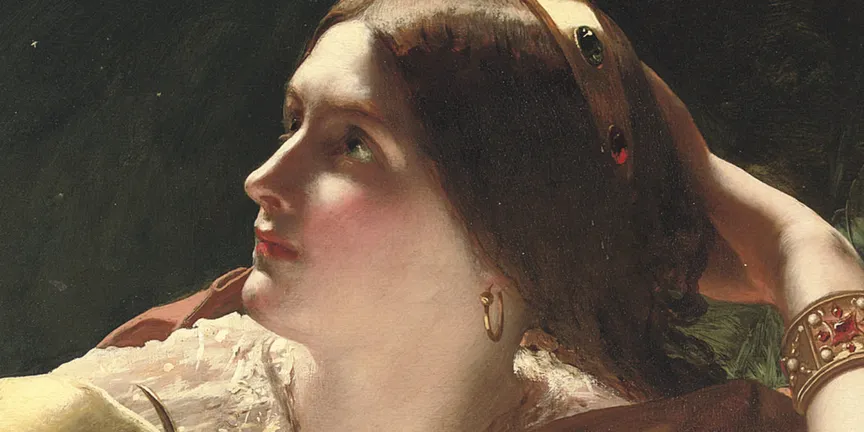
Astronomy
James Sant, c. 1850
A young woman with compasses and a celestial globe looks up to the sky: study and observation in search of what is not yet known.
- Origin
- London · Victorian
- Medium
- Oil on canvas
- Collection
- Private collection (sold at Christie's, London, 2008)
- Patron
- Not recorded. No commission is recorded. The painting was sold at Christie's in London in 2008.
- Shown on
- Advising the Head of AI at a $25B+ growth equity firm